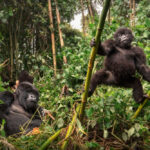
Toro Semliki Wildlife Reserve: Complete Travel Guide
Planning a Toro Semliki chimpanzee tracking adventure? Toro Semliki Wildlife Reserve is Uganda oldest wildlife reserve established in 1926. Located near Fort Portal in western Uganda this 542 square kilometer reserve offers a unique combination of savannah and forest habitats. A Toro Semliki chimpanzee tracking experience here is less crowded than Kibale National Park making it perfect for travelers seeking quieter primate encounters. This comprehensive guide covers everything you need to know about visiting this hidden gem including wildlife activities accommodation and travel tips.
Overview of Toro Semliki Wildlife Reserve
Toro Semliki Wildlife Reserve is situated in the Albertine Rift Valley between Lake Albert and the Rwenzori Mountains. The reserve was originally called Toro Game Reserve and served as a hunting ground for colonial administrators before becoming a protected area. Today it protects a vital transition zone between the savannah grasslands of East Africa and the Congo Basin rainforest creating incredible biodiversity found nowhere else in Uganda.
The reserve is home to over 60 mammal species including elephants buffalo lions leopards and several primate species. The Semliki River flows through the reserve attracting wildlife to its banks especially during the dry season when water becomes scarce elsewhere. The landscape includes open savannah woodland forest patches along the river and riverine vegetation that supports diverse bird species. A Toro Semliki chimpanzee tracking experience is perfect for travelers who want to see chimpanzees without the crowds of Kibale.
The reserve has a habituated chimpanzee community that can be tracked by visitors with experienced guides. The tracking experience is more intimate than other locations as visitor numbers are strictly limited to protect the primates and their habitat. The chimpanzees at Toro Semliki have been studied by researchers for over two decades and their behaviors are well documented making the tracking experience both educational and exciting.
Location and How to Get There
Toro Semliki Wildlife Reserve is located approximately 300 kilometers from Kampala. The drive takes five to six hours via Mubende and Fort Portal towns. The roads are paved all the way to Fort Portal then good murram roads lead to the reserve entrance. A 4×4 vehicle is recommended especially during rainy season when the last section can become slippery and challenging for 2WD vehicles.
Public transport is available for budget travelers. Buses from Kampala to Fort Portal cost around 10 dollars and take five to six hours. From Fort Portal you can take a taxi or boda boda to the reserve entrance for an additional 5 to 10 dollars. Many visitors arrange transport through their accommodation or a tour operator for convenience and safety.
The nearest airport is Kasese Airstrip which is about two hours drive from the reserve. Chartered flights from Entebbe can be arranged through Aerolink Uganda or Bar Aviation costing approximately 250 to 350 dollars one way. From the airstrip you will need to arrange ground transport to your lodge or the reserve headquarters. This is the most convenient option for luxury travelers or those short on time.
For those combining Toro Semliki chimpanzee tracking with other destinations the reserve is conveniently located near Kibale National Park (one hour), Semuliki National Park (one hour), and Queen Elizabeth National Park (two hours). This makes it an excellent addition to any western Uganda safari itinerary. Many travelers combine Toro Semliki with chimpanzee tracking in Kibale for a comprehensive primate experience.
Best Time to Visit Toro Semliki Wildlife Reserve
The best time for a Toro Semliki chimpanzee tracking experience is during the dry seasons from June to September and December to February. During these months wildlife concentrates around the Semliki River making them easier to spot during game drives and chimpanzee tracking. The roads are also in better condition allowing access to more areas of the reserve. The weather is pleasant with warm days and cool nights.
The wet seasons from March to May and October to November bring heavy rains that can make roads impassable. However the landscape becomes lush and green and bird watching is excellent during this time. The reserve receives fewer visitors during wet season offering a more private and exclusive experience for those willing to brave the conditions. Accommodation rates may also be lower during this period.
For chimpanzee tracking specifically the best time is during the dry season when the forest trails are less muddy and slippery. The chimpanzees are also more active during dry weather making them easier to locate through their calls and movements. Early morning tracking sessions starting at 7:00 AM offer the highest success rates as the chimpanzees are still near their overnight nesting sites.
Month-by-Month Weather Guide
| Month |
Season |
Rainfall |
Chimpanzee Tracking |
Wildlife Viewing |
Recommendation |
| January-February |
Dry |
Low |
Excellent |
Excellent |
Highly Recommended |
| March-May |
Wet |
High |
Fair |
Good |
Not Recommended |
| June-August |
Dry |
Low |
Excellent |
Excellent |
chimpanzee tracking tour d>Highly Recommended
| September-October |
Light Rains |
Medium |
Good |
Good |
Recommended |
| November-December |
Short Dry |
Medium |
Good |
Good |
Recommended |
Wildlife and Animals Found Here
Toro Semliki Wildlife Reserve hosts incredible biodiversity due to its location between two different ecosystems. The reserve is home to over 60 mammal species and over 400 bird species making it a top destination for wildlife enthusiasts. During your Toro Semliki chimpanzee tracking experience you may encounter an amazing variety of animals that will make your safari memorable.
Mammals of Toro Semliki
Elephants (Loxodonta africana) and buffalo (Syncerus caffer) are the flagship species of Toro Semliki Wildlife Reserve and can be seen throughout the reserve especially near the Semliki River. These large mammals are most commonly spotted during the dry season when they come to the river to drink. The reserve also has leopards (Panthera pardus) though they are elusive and most active at night making them difficult to spot during daytime activities.
Hippos and crocodiles live in the Semliki River and can be observed from a safe distance during boat cruises and from the riverbanks. Antelope species include waterbucks bushbucks oribi and several species of duikers. Warthogs are common and often seen grazing on the open plains with their tails held upright. Olive baboons and vervet monkeys are frequently seen near the road and around lodges.
The Toro Semliki chimpanzee tracking experience focuses on the habituated chimpanzee community that researchers have studied for over two decades. These chimpanzees (Pan troglodytes) are fully habituated to huma boat cruise safari activity n presence at a safe distance allowing visitors to observe their natural behaviors. Other primates include black and white colobus monkeys and red tailed monkeys which can be seen throughout the forested areas of the reserve.
Smaller mammals include mongooses civets genet cats and several species of squirrels. Nocturnal animals include bush babies and pangolins though these are rarely seen during daytime activities. The reserve is also home to several species of bats that roost in caves and hollow trees along the river.
Bird Species of Toro Semliki
With over 400 recorded species Toro Semliki Wildlife Reserve is a premier bird watching destination in Uganda. The reserve is home to forest birds savannah birds and water birds making it one of the most diverse birding sites in the country. The Semliki River attracts many water birds especially during the dry season when other water sources have dried up. Bird watching is best during the early morning hours from 6:30 AM to 9:00 AM when birds are most active and calling.
Key bird species include the shoebill stork (Balaeniceps rex) which is occasionally seen in the papyrus swamps along the river. This prehistoric looking bird is one of the most sought after species for bird watchers visiting Uganda. The African fish eagle (Haliaeetus vocifer) is common and often seen perched on trees overlooking the water. The great blue turaco (Corythaeola cristata) is a stunning forest bird with bright blue and green plumage that is frequently seen in the forested areas.
Other notable species include the red throated bee eater the black bee eater the white crested hornbill and the African grey parrot. The reserve is also home to several species of kingfishers including the giant kingfisher and the malachite kingfisher. The papyrus gonolek is a rare bird that is endemic to papyrus swamps and can be seen in the wetland areas along the river.
Top Activities and Experiences
Chimpanzee Tracking – Detailed Guide
The Toro Semliki chimpanzee tracking experience is the main attraction at Toro Semliki. Tracking starts at 8:00 AM from the reserve headquarters after a briefing from Uganda Wildlife Authority rangers. You will be assigned to a specific chimpanzee community based on their location from the previous evening. The hike through forest and woodland can take two to five hours depending on where the chimpanzees slept and how far they have moved overnight. The terrain can be challenging with steep sections and slippery trails so good physical fitness is recommended.
Once located you will have exactly one hour to observe these fascinating primates. During this time you can watch them feed groom play and interact with each other. The chimpanzees at Toro Semliki are fully habituated meaning they are comfortable with human presence at a safe distance. You must stay at least 10 meters away from the chimpanzees to protect both them and yourself from disease transmission. Your guide will provide information about the chimpanzees behaviors and the individuals in the group.
The chimpanzee tracking permit costs 200 dollars for foreign non residents and must be booked in advance through the Uganda Wildlife Authority or a licensed tour operator. Only eight visitors are allowed to track each chimpanzee community per day making permits limited especially during peak season from June to September and December to February. It is recommended to book your permit at least three to six months in advance to secure your preferred dates.
What to bring for chimpanzee tracking: sturdy hiking boots long sleeved shirts and trousers in neutral colors waterproof jacket insect repellent sunscreen hat daypack with water and snacks camera with extra batteries and binoculars. You should also bring a face mask as you will need to wear it when within 10 meters of the chimpanzees to prevent disease transmission.
Game Drives
Game drives are excellent during the dry season when animals gather near the Semliki River. Morning drives from 7:00 AM to 10:00 AM offer the best wildlife viewing as animals are most active a certified bird watching expert fter the cool night. Evening drives from 4:00 PM to 6:30 PM are also productive and offer beautiful golden hour light for photography. The game drive routes follow a network of trails throughout the reserve covering different habitats.
During game drives you can see elephants buffalo warthogs waterbucks and various antelope species. Lions are present in the reserve but are rarely seen as their population is small. Leopards are nocturnal and most active at night making them difficult to spot during daytime drives. Night game drives can be arranged for those interested in seeing nocturnal animals including leopards civets genet cats and bush babies.
The best areas for wildlife viewing are near the Semliki River and around the open plains in the northern section of the reserve. A 4×4 vehicle is essential for game drives as some trails become muddy and slippery even during dry season. Your guide will communicate with other vehicles to share information about wildlife sightings maximizing your chances of seeing the most sought after species.
Boat Cruises on Lake Albert
Boat cruises on Lake Albert offer a different perspective of the reserve and its wildlife. The lake is located at the northern edge of Toro Semliki and can be accessed via a thirty minute drive from the reserve headquarters. The boat cruise takes you along the shoreline where you can see hippos crocodiles and numerous water birds. The boat is stable and safe with life jackets provided for all passengers.
The boat cruise lasts approximately two hours and costs 30 to 50 dollars per person depending on group size. Early morning cruises are best for bird watching while afternoon cruises offer better light for photography. The boat can also take you to fishing villages where you can see how local communities live and work on the lake. This cultural component adds another dimension to the experience.
Fishing trips can be arranged for those interested in catching Nile perch or tilapia. The lake is known for its large Nile perch which can weigh over 100 kilograms. Fishing permits cost an additional 20 dollars and you must release any fish you catch unless you have arranged to take it to your lodge for dinner. Fishing trips last three to four hours and include all necessary equipment.
Nature Walks and Hiking
Nature walks with armed rangers are available for those who want to explore the reserve on foot. Walks last two to three hours and cost 15 to 25 dollars per person. You can walk along the Semliki River track through the forest and learn about medicinal plants from your guide. The guides are knowledgeable about the local flora and fauna and can identify animal tracks and signs.
Walking safaris offer opportunities to see smaller animals and birds that are difficult to spot from a vehicle. Your guide will point out animal tracks explain the uses of different plants and share stories about the reserve history and wildlife. Walks are conducted in small groups for safety and to minimize disturbance to wildlife. You will be accompanied by an armed ranger for protection against potentially dangerous animals.
The walk to the top of the nearby hills offers spectacular views of the reserve and the surrounding mountains. This is a more strenuous activity taking three to four hours but the views from the top are worth the effort. You can see the entire reserve spread out below you with the Rwenzori Mountains on the horizon on clear days.
Bird Watching Tours
With over 400 species Toro Semliki Wildlife Reserve is a paradise for bird watchers. Dedicated bird watching tours start at 6:30 AM before the general activities begin. A specialist bird guide can be hired for 20 to 30 dollars per day to help you spot and identify species by sight and sound. The guides are expert birders who know the calls and habitats of all the local species.
The best areas for bird watching are along the Semliki River near the forest edge and around the papyrus swamps. The reserve is particularly good for seeing forest birds including the great blue turaco and various hornbills. Water birds are best seen during boat cruises on Lake Albert. The early morning hours from 6:30 AM to 9:00 AM are the most productive time for bird watching.
A bird watching checklist is available from the reserve headquarters listing all 400 species recorded in the area. You can keep track of your sightings and learn about the birds you have seen. Many visitors bring binoculars and cameras with telephoto lenses to capture images of the colorful bird species.
Accommodation Options
Toro Semliki Wildlife Reserve has several accommodation options ranging from luxury lodges to basic campsites to suit every budget and preference.
Luxury Lodges ($300-500 per night)
Semliki Safari Lodge: The premier luxury option with spacious tents and stunning views of the savannah. The lodge has a swimming pool spa and restaurant serving excellent local and international cuisine. Rates range from 300 to 500 dollars per night including meals and activities. The lodge is located inside the reserve offering easy access to chimpanzee tracking and game drives.
Ntoroko Game Lodge: Located on the shores of Lake Albert this lodge offers luxury bandas with stunning lake views. The lodge has a restaurant bar and can arrange boat cruises and fishing trips. Rates range from 250 to 400 dollars per night including breakfast and dinner.
Mid-Range Options ($80-150 per night)
Toro Semliki Lodge: A comfortable lodge with bandas and cottages near the reserve headquarters. The lodge has a restaurant serving local cuisine and can arrange all activities. Rates range from 80 to 120 dollars per night including breakfast.
Fort Portal Accommodations: Numerous mid-range hotels and lodges are available in Fort Portal town which is only one hour away. These offer more options for dining and shopping while still providing easy access to the reserve.
Budget Options ($15-40 per night)
UWA Bandas: Basic accommodation located near the reserve headquarters. The bandas have beds and mosquito nets with shared bathroom facilities. Rates range from 15 to 30 dollars per night. Camping is also available for 10 dollars per person per night though you must bring your own tent and equipment.
Fort Portal Budget Hotels: Several budget hotels and guest houses in Fort Portal town offer rooms for 20 to 40 dollars per night. These are good options for travelers on a tight budget.
Nearby Attractions Worth Visiting
Kibale National Park: Only one hour from Toro Semliki Wildlife Reserve, Kibale offers chimpanzee tracking in a rainforest setting. The park has the highest density of primates in Africa making it a top destination for chimp trekking. Kibale is also home to over 300 bird species and several species of monkeys including red colobus and LHoests monkeys.
Semuliki National Park: Adjacent to Toro Semliki, Semuliki offers different experiences including the Sempaya Hot Springs and lowland tropical forest birding. The park protects a section of the Ituri Forest which is part of the larger Congo Basin ecosystem. Semuliki is excellent for bird watching and butterfly viewing with many species found nowhere else in East Africa.
Crater Lakes near Fort Portal: There are over 50 crater lakes in the area formed by volcanic activity millions of years ago. You can hike between the lakes visit local communities and enjoy picnic lunches with stunning views. The crater lakes are beautiful and offer excellent photography opportunities.
Fort Portal Town: The town has several attractions including the palace of the King of Toro and the nearby botanical gardens. The town has good restaurants shops and markets where you can buy local crafts and fresh produce. Fort Portal is known as the tourist capital of western Uganda.
Safety Tips and Travel Advice
Toro Semliki Wildlife Reserve is generally safe for visitors but you should follow basic precautions. Always stay with your guide and follow their instructions during chimpanzee tracking and walking safaris. Do not approach any wild animals especially elephants and buffalo which can be dangerous if threatened. Keep a safe distance and use binoculars or telephoto lenses for close up views.
During chimpanzee tracking you must stay at least 10 meters away from the animals. If you are sick with a cold flu or any contagious illness do not go chimpanzee tracking as chimpanzees are susceptible to human diseases. The Uganda Wildlife Authority may deny you access if you appear unwell. Wear a face mask when within 10 meters of the chimpanzees.
Wear neutral colored clothing during activities to avoid attracting tsetse flies and to blend in with the environment. Long sleeved shirts and trousers protect against insect bites and thorny vegetation. Sturdy closed toe shoes are essential for walking activities. Bring insect repellent sunscreen a hat and plenty of water for activities.
Yellow fever vaccination is mandatory for entry into Uganda. You must present your yellow fever certificate at immigration and may be asked to show it at the reserve entrance. Other recommended vaccines include hepatitis A and B typhoid tetanus and polio. Consult your doctor or travel clinic 4-6 weeks before your trip.
Frequently Asked Questions
How many days should I spend at Toro Semliki?
We recommend two to three days for a comprehensive Toro Semliki chimpanzee tracking experience. This allows time for chimpanzee tracking a game drive a boat cruise and a nature walk. One day is enough for chimpanzee tracking only but feels rushed. Four days allows for a more relaxed pace and multiple tracking sessions.
What is the chimpanzee tracking success rate?
The success rate for chimpanzee tracking at Toro Semliki is over 90 percent. The habituated chimpanzee community stays in a predictable area making them easier to locate. Your guide will communicate with trackers who monitor the chimpanzees overnight to determine their location for the morning. If you do not see chimpanzees on your first attempt you may be offered a second attempt.
Is Toro Semliki safe for solo travelers?
Yes Toro Semliki is generally safe for solo travelers. Join group activities arranged by your lodge to meet other travelers. Solo travelers should avoid walking alone after dark and should always use lodge organized transport. Many lodges offer single rooms with no supplement during low season.
What is the difference between Toro Semliki and Kibale?
Toro Semliki is less crowded and offers a more intimate chimpanzee tracking experience. The reserve also has boat cruises on Lake Albert which Kibale does not offer. Kibale has more chimpanzee families and a higher success rate but receives many more visitors. Both reserves are excellent for chimpanzee tracking.
Do I need a visa for Uganda?
Most nationalities require a visa for Uganda. The East African Tourist Visa costing 100 dollars allows multiple entries to Uganda Rwanda and Kenya for 90 days. Single entry Uganda visas cost 50 dollars. Visas can be obtained online before travel or at Entebbe International Airport upon arrival.
Why Toro Semliki Wildlife Reserve Should Be on Your Bucket List
A Toro Semliki chimpanzee tracking experience offers a unique combination of activities that you will not find elsewhere in Uganda. The chance to track chimpanzees in a less crowded setting combined with game drives boat cruises and excellent bird watching makes Toro Semliki a well rounded destination. For travelers seeking an off the beaten path experience away from the crowds of Kibale this reserve delivers adventure and solitude in equal measure.
The reserve location between the savannah and the forest creates a unique ecosystem that supports incredible biodiversity. From the roar of the chimpanzees in the morning to the splash of hippos in Lake Albert in the afternoon every moment at Toro Semliki is filled with wildlife encounters. The friendly local communities and knowledgeable guides add to the experience making visitors feel welcome and well cared for.
For many travelers Toro Semliki is the unexpected highlight of their western Uganda safari. The combination of chimpanzee tracking game drives and boat cruises offers something for everyone whether you are a first time safari traveler or a seasoned African hand. Don’t just take our word for it come experience it yourself. The chimpanzees elephants and birds are waiting for you to discover this hidden gem.