Best Time for Wildebeest Migration: When to Witness the Greatest Wildlife Show on Earth
Following a Wildebeest migration timing guide is essential for planning your safari to see the Great Migration. The wildebeest migration is a continuous cycle that moves across the Serengeti and Masai Mara throughout the year. This comprehensive Wildebeest migration timing guide covers month by month where the herds are located, when river crossings occur, calving season timing, and the best times for photography and avoiding crowds.
Understanding the Great Migration Cycle
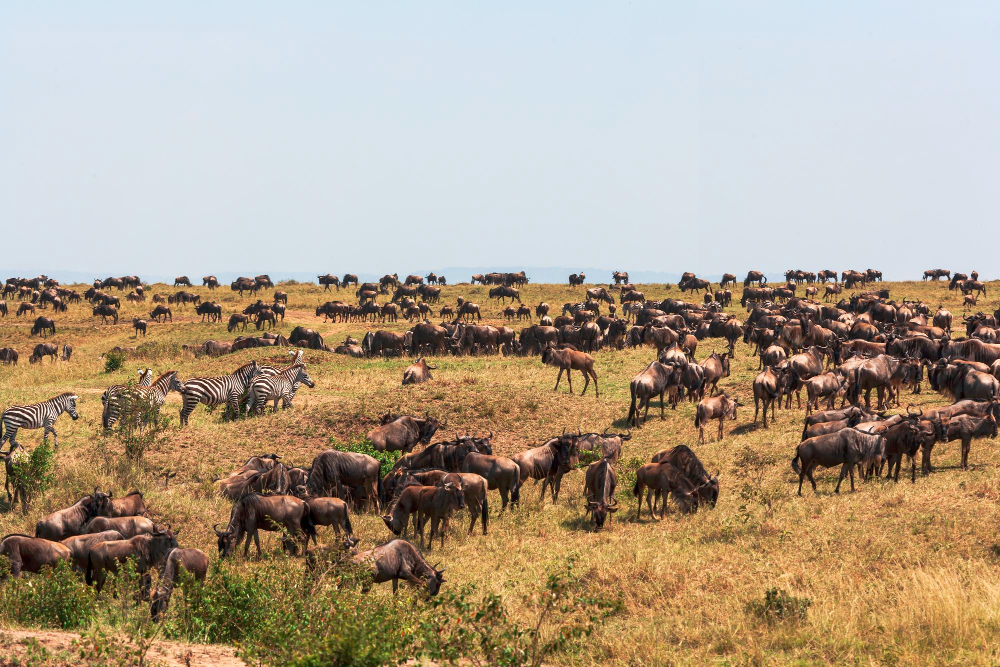
The Great Migration involves over 1.5 million wildebeest, accompanied by hundreds of thousands of zebras and gazelles, moving in a continuous clockwise circuit around the Serengeti ecosystem. The animals follow the rains and fresh grass, creating a spectacular wildlife spectacle. A Wildebeest migration timing guide helps you understand that the migration is not just about river crossings; different seasons offer different highlights including calving, mating, and dramatic predator action.
The migration is driven by the search for food and water. The wildebeest follow the rains, which create fresh grass for grazing. The zebras and gazelles follow the wildebeest, each species grazing on different parts of the grass. The predators including lions, hyenas, leopards, and cheetahs follow the migration, creating constant drama and action. A Wildebeest migration timing guide helps you choose the right time to see the specific events that interest you most.
Month by Month Migration Guide
January to March – Calving Season in Southern Serengeti
From January to March, the migration herds gather on the short grass plains of the southern Serengeti, around the Ndutu area. This is calving season, when hundreds of thousands of wildebeest calves are born in a synchronized birthing event. Over 8,000 calves are born each day, attracting predators in large numbers. A Wildebeest migration timing guide for calving season recommends January and February for the highest concentration of newborns.
The calving season is the best time for predator action photography. Lions, hyenas, cheetahs, and leopards are all active, hunting the vulnerable calves. The grass is short, providing excellent visibility, and the light is beautiful with golden sunrises and sunsets. The weather is warm and mostly dry, though afternoon showers are possible. This is an excellent time for photography, with soft light and dramatic action.
April to May – The Green Season Transition
April and May are the long rainy season in the Serengeti. The herds spread out across the central and western Serengeti, making them harder to concentrate. The roads become muddy and challenging, and some camps close for the season. However, the landscape is incredibly lush and green, and the wildlife viewing is still excellent. A Wildebeest migration timing guide for the green season notes that this is the best time for photographers who want dramatic cloudy skies and vibrant green landscapes, and for travelers seeking lower rates and fewer crowds.
June to July – Western Corridor and Grumeti River Crossings
From June to July, the herds gather along the Grumeti River in the western Serengeti. This is where the first major river crossings of the year occur. The Grumeti River is not as famous as the Mara River, but the crossings are still dramatic, with large Nile crocodiles waiting to ambush the wildebeest. A Wildebeest migration timing guide for this period recommends late June and early July for the best Grumeti crossing action.
The weather is dry and pleasant, with sunny days and cool nights. The vegetation is still green from the rains, creating beautiful landscapes. This is a good time to visit if you want to see river crossings without the peak season crowds of August and September. The western Serengeti has excellent accommodation options, including mobile camps that move with the migration.
August to October – Mara River Crossings in Northern Serengeti and Masai Mara
August to October is the peak migration season, when the herds cross the Mara River in the northern Serengeti and Masai Mara. These are the most famous and dramatic crossings, with thousands of animals plunging into crocodile infested waters. A Wildebeest migration timing guide for this period is essential for planning, as this is the busiest time of year with high demand for accommodation and higher prices.
The crossings are unpredictable and can happen at any time. Some days you may see multiple crossings, and other days you may see none. Patience is essential. Your guide will use radio communication to locate crossing points and get you into position. The best time for photography is early morning and late afternoon when the light is golden.
The northern Serengeti is more remote and less crowded than the Masai Mara, offering a more exclusive experience. The Masai Mara has more luxury lodges and is easier to access from Nairobi. Both locations offer spectacular migration viewing, and your choice depends on your budget and preferences.
November to December – The Return South
From November to December, the short rains begin, and the herds start moving south through the eastern Serengeti. The wildebeest spread out across the Loliondo area and the eastern plains, heading back to the southern Serengeti for calving season. A Wildebeest migration timing guide for this period notes that the herds can be spread out, but the landscapes are beautiful with dramatic cloudy skies and vibrant green vegetation.
This is the low season, with fewer tourists and lower rates. The wildlife viewing is still excellent, though the herds are not as concentrated as during the peak months. The bird watching is outstanding, with many migratory bird species present. This is a good time for travelers who want to avoid crowds and enjoy lower prices.
Best Time for Specific Experiences
Best Time for River Crossings
The best time for river crossings is from August to October in the northern Serengeti and Masai Mara. The crossings are unpredictable, but your chances are highest during these months. Grumeti River crossings occur from June to July and are less crowded but still dramatic. A Wildebeest migration timing guide for river crossings emphasizes that you need patience and a good guide to maximize your chances.
Best Time for Calving Season
The best time for calving season is January and February in the southern Serengeti. This is when the majority of wildebeest calves are born, and predator action is at its peak. The grass is short, providing excellent visibility, and the weather is pleasant.
Best Time for Photography
The best time for photography is during the golden hours of early morning and late afternoon year round. For specific events, calving season (January to February) offers soft light and dramatic action. The dry season (June to October) offers clear skies and beautiful sunrises and sunsets. The green season (April to May and November) offers dramatic cloudy skies and vibrant green landscapes.
Best Time to Avoid Crowds
The best time to avoid crowds is during the green season from April to May and November. The herds are spread out, but the wildlife viewing is still excellent, and you will have the parks almost to yourself. The rates are also lower during this time.
Migration Viewing Tips
- Book your accommodation 6 to 12 months in advance for peak season (August to October)
- Hire a knowledgeable guide who knows the migration patterns and has good radio communication
- Be patient; river crossings can take hours or may not happen at all on some days
- Bring a good pair of binoculars and a camera with a telephoto lens (200 to 400mm)
- Pack neutral colored clothing for game drives
- Bring sunscreen, a hat, and plenty of water
- Consider a hot air balloon safari for a unique perspective on the migration
Frequently Asked Questions
What is the best month to see the wildebeest migration?
There is no single best month; it depends on what you want to see. August to October is best for Mara River crossings. January to February is best for calving season. June to July is best for Grumeti River crossings. April to May and November offer fewer crowds and lower rates.
Can I see the migration year round?
Yes, the migration is a continuous cycle, so you can see the herds somewhere in the Serengeti or Masai Mara at any time of year. However, the location and concentration of the herds vary significantly by season.
How long should I spend on a migration safari?
We recommend 5 to 7 days for a comprehensive migration safari. This allows time for game drives, waiting for crossings, and exploring different areas of the park. Shorter safaris are possible but may miss the best action.
What is the difference between the Serengeti and Masai Mara?
The Serengeti is in Tanzania and is much larger than the Masai Mara. The migration spends most of the year in the Serengeti. The Masai Mara is in Kenya and is the destination for the migration from July to October. The Masai Mara is smaller but offers excellent game viewing and luxury accommodation.
Final Thoughts and Booking Information
Using a Wildebeest migration timing guide is essential for planning your migration safari. The right timing ensures you witness the events that interest you most, whether that is dramatic river crossings, calving season, or predator action. Book your safari with an experienced operator who knows the migration patterns and can maximize your chances of incredible sightings. The Great Migration is truly the greatest wildlife show on Earth, and with proper planning, you can experience it at its best.