Murchison Falls-Albert Delta: Complete Travel Guide
Planning to experience Albert Delta shoebill watching? The Murchison Falls-Albert Delta is where the Victoria Nile flows into Lake Albert creating a vast wetland ecosystem. This area is one of the best places in Uganda to see the rare shoebill stork. An Albert Delta shoebill watching experience offers prime bird watching in a beautiful wetland setting. This comprehensive guide covers everything you need to know about visiting this unique birding destination.
Overview of Murchison Falls-Albert Delta
The Murchison Falls-Albert Delta is located at the northern end of Murchison Falls National Park where the Nile River meets Lake Albert. The delta covers approximately 50 square kilometers of papyrus swamps grassy wetlands and open water. This ecosystem is vital for water birds and supports one of the highest concentrations of shoebill storks in Uganda. The delta is a paradise for bird watchers and nature photographers.
The delta was formed naturally as the Nile deposited sediment over thousands of years creating a rich wetland habitat. The area is protected as part of Murchison Falls National Park which is Uganda largest protected area covering over 3,800 square kilometers. The delta is accessible by boat from the Paraa area or by road from the northern park entrance. The wetland ecosystem is fragile and carefully protected by the Uganda Wildlife Authority.
Experiencing Albert Delta shoebill watching is best done by boat as the wetland is difficult to access on foot. The boat trip takes you through narrow channels in the papyrus where you can get close to shoebills and other water birds. The best time for bird watching is early morning when the birds are most active and the light is best for photography.
Location and How to Get There
The Murchison Falls-Albert Delta is located inside Murchison Falls National Park approximately 300 kilometers from Kampala. The drive takes five to six hours via Masindi to the park entrance. Most visitors stay inside the park and take a boat from Paraa to explore the delta. The park has good roads and is accessible with a 2WD vehicle during dry season.
From Paraa you can take a specialized bird watching boat to the delta. The boat trip takes about two to three hours each way depending on bird sightings. Boat shoebill stork tracking s can be arranged through your lodge or through the Uganda Wildlife Authority at Paraa. The cost is around 50 to 100 dollars per boat depending on group size and duration.
The nearest airstrip is in Pakuba inside the park which receives chartered flights from Entebbe. Aerolink Uganda operates daily flights to Pakuba costing around 250 t certified bird watching expert o 300 dollars one way. From the airstrip you will need ground transport to Paraa to access the boat. This is the most convenient option for luxury travelers or those short on time.
Best Time to Visit Murchison Falls-Albert Delta
The best time to experience Albert Delta shoebill watching is during the dry seasons from June to September and December to February. During these months the water lev boat cruise safari activity els are lower making the shoebills easier to spot as they concentrate in smaller areas. The weather is also pleasant for boat trips with less chance of rain. The early morning hours from 6:30 AM to 10:00 AM are the best time for shoebill viewing.
The wet seasons from March to May and October to November bring higher water levels that spread the birds over a larger area. However the delta is still worth visiting during these months as the landscape is lush and green. Bird watching is good year round at the delta but the dry season offers the highest success rates for shoebill sightings.
The best time of day for Albert Delta shoebill watching is early morning from 6:30 to 10:00 AM when shoebills are most active and feeding. Late afternoon from 4:00 to 6:30 PM is also good for bird watching as the light is golden for photography. Midday is too hot and the birds are less active making sightings less likely.
Month-by-Month Bird Watching Guide
| Month |
Season |
Shoebill Visibility |
Other Birds |
Boat Conditions |
Recommendation |
| January-February |
Dry |
Excellent |
Excellent |
Good |
Highly Recommended |
| March-May |
Wet |
Fair |
Good |
Challenging |
Not Recommended |
| June-August |
Dry |
Excellent |
Excellent |
Good |
Highly Recommended |
| September-October |
Light Rains |
Good |
Excellent |
Fair |
Recommended |
| November-December |
Short Dry |
Good |
Excellent |
Good |
Recommended |
Wildlife at the Delta
The Murchison Falls-Albert Delta is a bird watcher paradise with over 300 species recorded in the area. The delta is particularly famous for shoebill storks which are the main attraction for most visitors. During your Albert Delta shoebill watching experience you may encounter a remarkable variety of bird species.
Shoebill Storks
The shoebill stork (Balaeniceps rex) is a prehistoric looking bird that can stand up to 1.5 meters tall. The delta has one of the highest concentrations of shoebills in Uganda with several resident birds. The best time to see shoebills is early morning when they are hunting for lungfish in the shallow water. Shoebills are sedentary and can often be seen standing motionless for hours waiting for prey to appear. Seeing a shoebill in the wild is a once in a lifetime experience for many bird watchers.
Shoebills are threatened by habitat loss and poaching making them a vulnerable species. The delta provides important protected habitat for these unique birds. Your visit supports conservation efforts through park fees and supports local guides who protect the birds from poachers.
Other Bird Species
The delta hosts over 300 bird species including African fish eagles herons egrets kingfishers and cormorants. The African fish eagle is common and its distinctive call is often heard across the delta. Herons and egrets of various species feed in the shallow waters while kingfishers dive for fish from perches on the papyrus.
Other notable species include the saddle billed stork which is one of the tallest storks in Africa. The Goliath heron is the largest heron in the world and can be seen wading in the deeper waters. Various species of weaver birds build their distinctive nests in the papyrus adding interest to the landscape. The papyrus gonolek is endemic to papyrus swamps and can be seen in the delta making it a special sighting for birders.
Other Wildlife
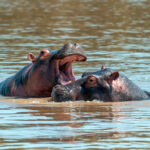
Hippos and crocodiles are common in the delta and can be seen from the boat. These animals are best viewed from a safe distance as they can be dangerous. Elephants and buffalo sometimes come to the water edge to drink especially during the dry season. Monitor lizards can be seen basking on the river banks and are often photographed by visitors.
Top Activities and Experiences
Shoebill Tracking by Boat
Shoebill tracking by boat is the main activity at the delta. Experienced bird guides know the best spots to find shoebills and can take you through the papyrus channels. The boat trip takes two to three hours and costs 50 to 100 dollars depending on group size. You have a very high chance of seeing shoebills as several resident birds live in the delta. Your guide will cut the engine and allow the boat to drift silently towards the birds to avoid disturbing them.
The boat used for shoebill tracking is a small motorized boat that can navigate the narrow channels. The boat is stable and safe with life jackets provided for all passengers. Early morning trips offer the best conditions as the light is good and the birds are most active. Bring a camera with a telephoto lens to capture images of these magnificent birds.
Bird Watching
Bird watching is excellent throughout the delta with over 300 species recorded. A specialized bird guide can be hired for 20 to 30 dollars per day to help you spot and identify species. Early morning boat trips offer the best bird viewing as the light is good and birds are active. The guides are expert birders who know the calls and habitats of all the local species.
The delta is particularly good for seeing water birds including herons egrets storks and kingfishers. The papyrus swamps are home to specialized species found nowhere else. Bring binoculars and a bird identification guide to make the most of your bird watching experience. A bird watching checklist is available from the park headquarters.
Photography
Photography is popular at the delta with opportunities for stunning bird portraits and landscape shots. The early morning light creates beautiful golden colors over the papyrus. Bring a telephoto lens of at least 300mm for good bird photos. A bean bag for stabilizing your camera on the boat is very useful as the boat can move with the current.
The best time for photography is early morning from 6:30 AM to 9:00 AM when the light is soft and golden. Late afternoon from 4:00 PM to 6:30 PM also offers beautiful light for photography. Cloudy days can be good for photography as the light is diffused reducing harsh shadows. Bring extra batteries and memory cards as you will take many photos.
Combined Boat Trip to Murchison Falls
Boat cruises to the delta can be combined with the main boat cruise to the base of Murchison Falls. The full day boat trip covers both destinations and costs around 100 to 150 dollars per person including lunch. This is the best option for visitors with limited time in the park. The trip includes the delta in the morning and the falls in the afternoon or vice versa depending on scheduling.
The combined trip allows you to experience the best of the park in one day. You will see the shoebills in the delta and then cruise up the Nile to the base of the falls. The boat trip to the falls offers close encounters with hippos and crocodiles and spectacular views of the waterfall. Lunch is provided on a sandbar or at a lodge depending on the itinerary.
Accommodation Options
There is no accommodation at the delta itself. Visitors stay at lodges inside Murchison Falls National Park and take a boat to the delta from Paraa. The boat trip takes about two to three hours each way from Paraa depending on where the shoebills are located.
Luxury Lodges ($250-400 per night)
Paraa Safari Lodge: The closest luxury option with stunning views of the Nile. The lodge has a pool spa and excellent restaurant. Rates range from 250 to 400 dollars per night. The lodge can arrange boat trips to the delta and to Murchison Falls.
Baker Lodge: An intimate eco lodge with only six bandas located on the south bank of the Nile. The lodge offers excellent service and can arrange private boat trips. Rates range from 300 to 450 dollars per night.
Mid-Range Options ($80-150 per night)
Murchison River Lodge: Offers bandas and tents near the Nile with a pool and restaurant. Rates range from 80 to 150 dollars per night. The lodge can arrange boat trips to the delta and falls.
Pakuba Safari Lodge: Located on the north bank of the Nile with comfortable rooms and good game viewing from the lodge. Rates range from 100 to 180 dollars per night.
Budget Options ($15-50 per night)
Red Chilli Rest Camp: Offers bandas and campsites near the park entrance. Rates range from 15 to 50 dollars per night. The camp has a restaurant and bar and can arrange boat trips.
UWA Bandas: Basic accommodation at Paraa run by the park authority. Rates range from 15 to 30 dollars per night. Camping is also available for 10 dollars per person per night.
Nearby Attractions
Murchison Falls: The main attraction of the park where the Nile crashes through a 7 meter wide gorge. The boat trip to the base of the falls offers spectacular views and close encounters with hippos and crocodiles.
Game Drives: Murchison Falls National Park offers excellent game viewing with elephants giraffes lions leopards and buffalo. The northern section of the park is best for wildlife viewing during the dry season.
Ziwa Rhino Sanctuary: About two hours south of the park on the way back to Kampala. The sanctuary offers rhino tracking on foot where you can walk with southern white rhinos.
Safety Tips and Travel Advice
During boat trips always wear your life jacket and follow the captain instructions. Do not lean over the side of the boat as hippos and crocodiles can attack suddenly. Keep your hands inside the boat at all times. The delta channels are narrow and the papyrus can hide animals.
Bring sunscreen a hat and insect repellent for the boat trip. The sun can be intense even on cloudy days and insects can be bothersome in the evening. A rain jacket is useful during the wet season as afternoon showers are common.
Yellow fever vaccination is mandatory for entry into Uganda. Bring your yellow fever certificate as it may be checked at the park entrance. Malaria prophylaxis is recommended as the delta area has mosquitoes.
Frequently Asked Questions
How long should I spend at the delta?
A half day boat trip is enough for a Albert Delta shoebill watching experience. The boat trip from Paraa takes about two to three hours each way. Most visitors combine the delta with the main boat cruise to the falls for a full day on the water.
What is the success rate for seeing shoebills?
The success rate is over 90 percent for Albert Delta shoebill watching during the dry season. The resident shoebills are reliable and the guides know their favorite spots. During the wet season the success rate is lower as the birds spread out over a larger area.
What should I pack for the delta?
Pack binoculars a camera with telephoto lens hat sunscreen and insect repellent. Neutral colored clothing is recommended for bird watching. Bring rain gear during the wet season as afternoon showers are common.
Can I see shoebills from the main boat cruise?
Possibly but the main boat cruise does not go into the papyrus channels where shoebills prefer. For the best chance of seeing shoebills you need a specialized boat that goes into the delta. The main cruise focuses on the falls while the delta trip focuses on bird watching.
Why Experience Murchison Falls-Albert Delta
Experiencing Albert Delta shoebill watching offers one of the best bird watching opportunities in East Africa. The shoebill stork is one of the most sought after birds for bird watchers and the delta is one of the most reliable places to see it. The beautiful wetland scenery combined with excellent bird viewing makes the delta a highlight of any visit to Murchison Falls National Park. Whether you are a dedicated birder or a casual nature lover seeing a shoebill in the wild is an unforgettable experience that you will treasure forever.