4 Days – Wildebeest Migration Safari in Masai Mara
Witness a Masai Mara migration safari with dramatic river crossings. See thousands of wildebeest and zebras in Kenya premier reserve.
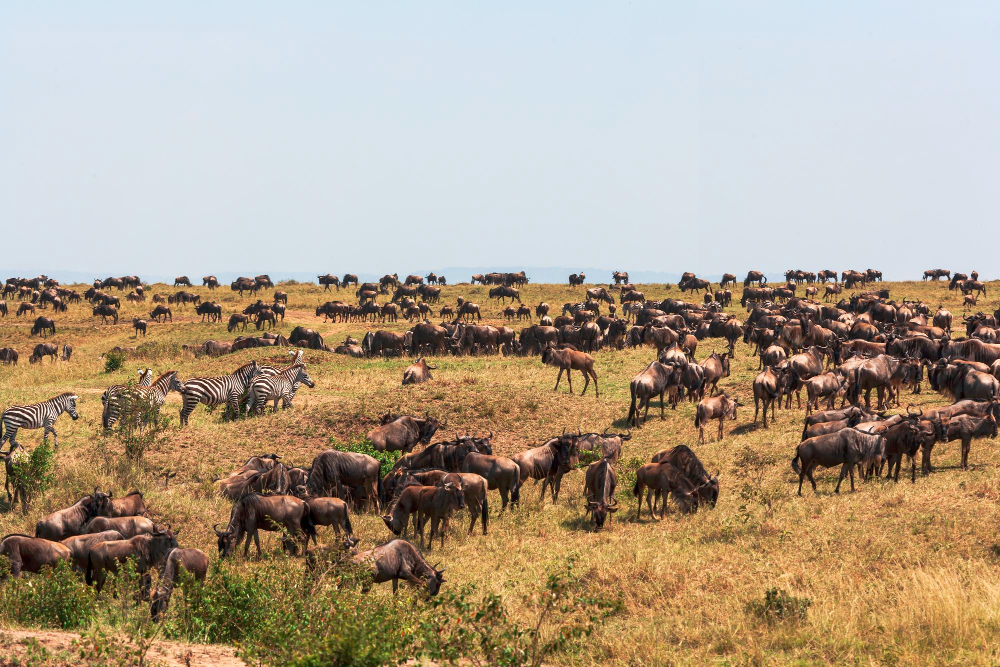
Planning a Masai Mara migration safari? This 4 day journey takes you to the Masai Mara National Reserve, one of the best places in Africa to witness the Great Wildebeest Migration. The Masai Mara is famous for its dramatic river crossings, where thousands of wildebeest and zebras plunge into crocodile infested waters. A Masai Mara migration safari offers some of the most spectacular wildlife viewing in Africa.
The Masai Mara migration destination is located in southwestern Kenya, approximately 5 to 6 hours drive from Nairobi. The reserve covers 1,510 square kilometers and is part of the larger Serengeti ecosystem. A Masai Mara migration safari allows you to see the migration herds, as well as the Big Five and over 470 bird species.
For those interested in combining parks, the Amboseli elephant viewing safari is another excellent option. However, this 4 day safari focuses exclusively on the Masai Mara to give you the best chance of seeing river crossings.
This 4 day Masai Mara safari is specifically designed for travelers who want to witness the wildebeest migration. The tour starts and ends in Nairobi, with a drive to the Masai Mara on the first day. You will spend three full days in the reserve, with game drives timed to catch the river crossings. A Masai Mara migration safari includes park entry fees, accommodation, meals, game drives, and professional guiding.
The Masai Mara is famous for its dramatic river crossings, which occur when the wildebeest herds cross the Mara River. The crossings are unpredictable and can happen at any time. Patience is essential. Your guide will use radio communication to locate crossing points and get you into position.
A Masai Mara migration safari also offers excellent chances to see the Big Five. The Mara has a healthy population of lions, leopards, elephants, buffalo, and rhinos. The reserve is also home to cheetahs, hyenas, giraffes, zebras, and over 470 bird species.
A Masai Mara migration safari offers the best chance to witness dramatic river crossings. The Mara River crossings are famous for their intensity, with crocodiles attacking from below and lions and hyenas waiting on the banks. The action is spectacular and unforgettable.
This tour is ideal for photographers who want to capture dramatic wildlife images. The river crossings are action-packed, with animals leaping into the water, crocodiles attacking, and predators waiting on the banks. Your guide will position you for the best views.
The wildebeest migration timing guide helps you plan your visit for the best action. The migration typically arrives in the Masai Mara from July to October, with peak river crossings in August and September.
Upon arrival at Jomo Kenyatta International Airport in Nairobi, you will be met by our representative and briefed on your safari. You will then drive to the Masai Mara National Reserve, a journey of approximately 5 to 6 hours. The drive passes through the Great Rift Valley, with stunning views of the escarpment and the valley floor.
You will arrive at your camp in time for lunch. After lunch, you will have an afternoon game drive in the Masai Mara. You will search for the migration herds and hopefully witness a river crossing. You will return to your camp for dinner and overnight.
After an early breakfast, you will depart for a full day game drive in the Masai Mara. You will carry a picnic lunch to maximize your time in the reserve. Your guide will take you to the best areas for migration viewing based on recent sightings.
The Mara River is the focal point of the migration. The herds gather on the riverbanks, building up courage to cross. When the crossing happens, thousands of animals plunge into the water while crocodiles attack from below. The action is intense and dramatic.
In addition to the migration, you will search for the Big Five. The Masai Mara has a healthy population of lions, often seen in large prides. Leopards are more elusive but can be spotted resting in trees. Elephants, buffalo, and rhinos are also present.
In the late afternoon, you will return to your camp for dinner and overnight.
Today you will have a second full day game drive in the Masai Mara. This gives you another opportunity to witness river crossings and to see any animals you may have missed on the first day. The migration is unpredictable, and spending more time in the reserve increases your chances.
You may also visit a Maasai village to learn about the local culture. The Maasai people have lived alongside wildlife for centuries and have a deep understanding of the animals. The village visit costs 20 dollars per person and directly benefits the community.
In the afternoon, you will continue your game drive, focusing on areas where the herds are gathering. Your guide will use radio communication to locate crossing points. Overnight at your camp in the Masai Mara.
After an early breakfast, you will enjoy a final morning game drive in the Masai Mara. This is your last chance to witness river crossings and capture photos of the migration. You will then drive back to Nairobi, arriving in the late afternoon.
Depending on your flight schedule, you may have time to visit the Giraffe Centre or the David Sheldrick Wildlife Trust elephant orphanage in Nairobi. You will then be transferred to Jomo Kenyatta International Airport for your departure flight.
This marks the end of your Masai Mara migration safari. You will leave with incredible memories of the greatest wildlife spectacle on Earth.
The best time for a Masai Mara migration safari is from July to October. During these months, the wildebeest herds are in the Masai Mara, and the river crossings are at their peak. August and September are the best months for dramatic crossings.
The calving season in the Serengeti is from January to March, but the migration is not in the Masai Mara during this time. The wildebeest return to the Serengeti from November to December.
The dry season from June to October offers the best wildlife viewing conditions, with less vegetation and animals concentrated around water sources.
The success rate for seeing river crossings during a Masai Mara migration safari is about 70 percent during peak season (August to September). Crossings are unpredictable, and patience is essential. Spending 3 to 4 days in the Mara increases your chances significantly.
The best time to see the migration in the Masai Mara is from July to October. The wildebeest typically arrive in July, with peak river crossings in August and September. By November, the herds start moving back to the Serengeti.
Yes, the Masai Mara is home to the Big Five: lions, leopards, elephants, buffalo, and rhinos. Lions are common and often seen in large prides. Rhinos are rarer but can be spotted in certain areas of the reserve.
Yes, the Masai Mara is safe for solo travelers. Join group game drives arranged by your camp to meet other travelers. Solo travelers should avoid walking alone after dark and should always use camp organized transport.
Yes, most nationalities require a visa for Kenya. Visas can be obtained online before travel (e-visa) or on arrival at Jomo Kenyatta International Airport. The cost is 50 dollars for most nationalities.
A Masai Mara migration safari offers one of the most spectacular wildlife experiences on Earth. The dramatic river crossings, the vast herds of wildebeest, and the abundance of predators make the Masai Mara a must-visit destination. Book your Masai Mara migration safari today and witness the greatest wildlife show on Earth.